Why Traditional Pickles Are Making a Comeback - A Marketing Take
- Dec 6, 2025
- 3 min read
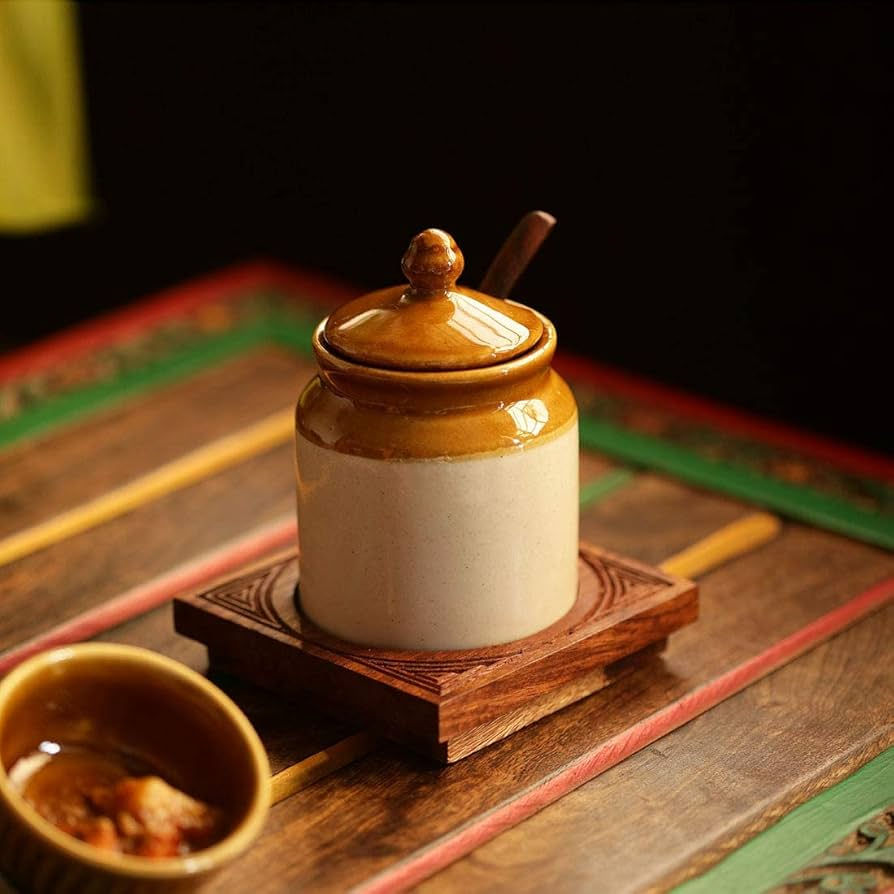
Indian meals have always been designed around balance. Every element on the plate serves a purpose, flavour, digestion, and satisfaction, working together. Yet in modern kitchens, one essential component has slowly been sidelined: the traditional Indian pickle.
Today, pickles are often treated as optional add-ons rather than integral parts of a well-rounded meal. This shift hasn’t happened because achar lost relevance, but because convenience-driven food culture replaced patience with speed. From a marketing perspective, this creates an important insight: people didn’t stop valuing pickles; they simply lost access to the right kind.
Pickles as Functional Food, Not Just a Condiment
Long before “gut health” became a wellness buzzword, Indian households relied on pickles for digestive support. Carefully chosen oils, slow fermentation, and measured spices worked together to stimulate appetite and improve digestion. This functional role of pickles is explored thoughtfully in “The Forgotten Side Dish Your Gut and Tastebuds Have Been Missing” on Health With Rhea’s blog. The article explains how traditional pickles support gut balance and enhance meals when prepared using time-tested methods rather than commercial shortcuts. From a consumer mindset perspective, this content reinforces an important shift, people are actively seeking foods that do more than just taste good.
That’s where traditional pickles re-enter the conversation, not as nostalgia, but as relevance.
Why Mass-Made Pickles Struggle to Build Trust
Commercial pickles prioritise shelf life, consistency, and speed. While this works for large-scale distribution, it often compromises balance, subtlety, and digestibility. Overly sharp flavours and heavy preservatives make these products something consumers use occasionally, not daily.
This explains the growing demand for homemade pickles online. Shoppers aren’t looking for innovation; they’re looking for reassurance. They want pickles that taste familiar, feel safe to consume regularly, and align with how pickles were originally meant to be eaten, with meals, not apart from them.
For brands operating in this space, trust becomes the primary differentiator.
Regional Wisdom as a Brand Advantage
One of the strongest selling points of traditional pickles lies in their regional authenticity. Mustard oil, sesame oil, or groundnut oil isn’t a stylistic choice; it’s a functional one, shaped by climate, ingredients, and digestion.
Spices like hing, methi, and turmeric aren’t added for intensity but for balance. When brands preserve these principles, they don’t need loud claims or exaggerated flavours. The product speaks for itself. This is where Nani ka Pitara stands apart. Instead of reinventing pickles for modern appeal, the focus remains on preserving traditional methods. The flavours are intentional, the textures are familiar, and the pickles are designed for regular consumption, not occasional tasting. From a marketing standpoint, this positions the brand as reliable, rooted, and respectful of culinary heritage.
Why Traditional Pickles Fit Modern Lifestyles Perfectly
Interestingly, traditional pickles align seamlessly with modern food values. They support mindful eating, encourage portion control, and elevate simple meals without complicating them.
As more people return to home-cooked food, pickles serve as a natural enhancement rather than an indulgence. A small spoon adds depth, satisfaction, and completeness, qualities today’s consumers increasingly prioritise.
This shift highlights an important branding insight: the value of pickles isn’t in how bold they are, but in how effortlessly they integrate into everyday life.
Repositioning Pickles in the Modern Kitchen
From a marketing lens, the opportunity lies in reframing pickles not as an extra, but as an essential. When positioned correctly, they become a bridge between tradition and modern convenience, offering authenticity without demanding effort. Thoughtful food content like Health With Rhea’s article helps rebuild this understanding, while brands that honour traditional preparation methods make it accessible again. The combination of education and authenticity creates trust, and trust drives long-term loyalty. In a world saturated with fast food and fast claims, products that remain patient, balanced, and honest stand out naturally. Traditional pickles don’t need reinvention. They need recognition.
Sometimes, the strongest products aren’t the loudest ones; they’re the ones that quietly earn their place at the table.


Comments